BNPL lets shoppers split purchases into interest-free installments and has surged fast—Richmond Fed reports loans rose from 16.8M (2019) to 180M (2021)—but the convenience carries risks.

How BNPL works and why it’s popular
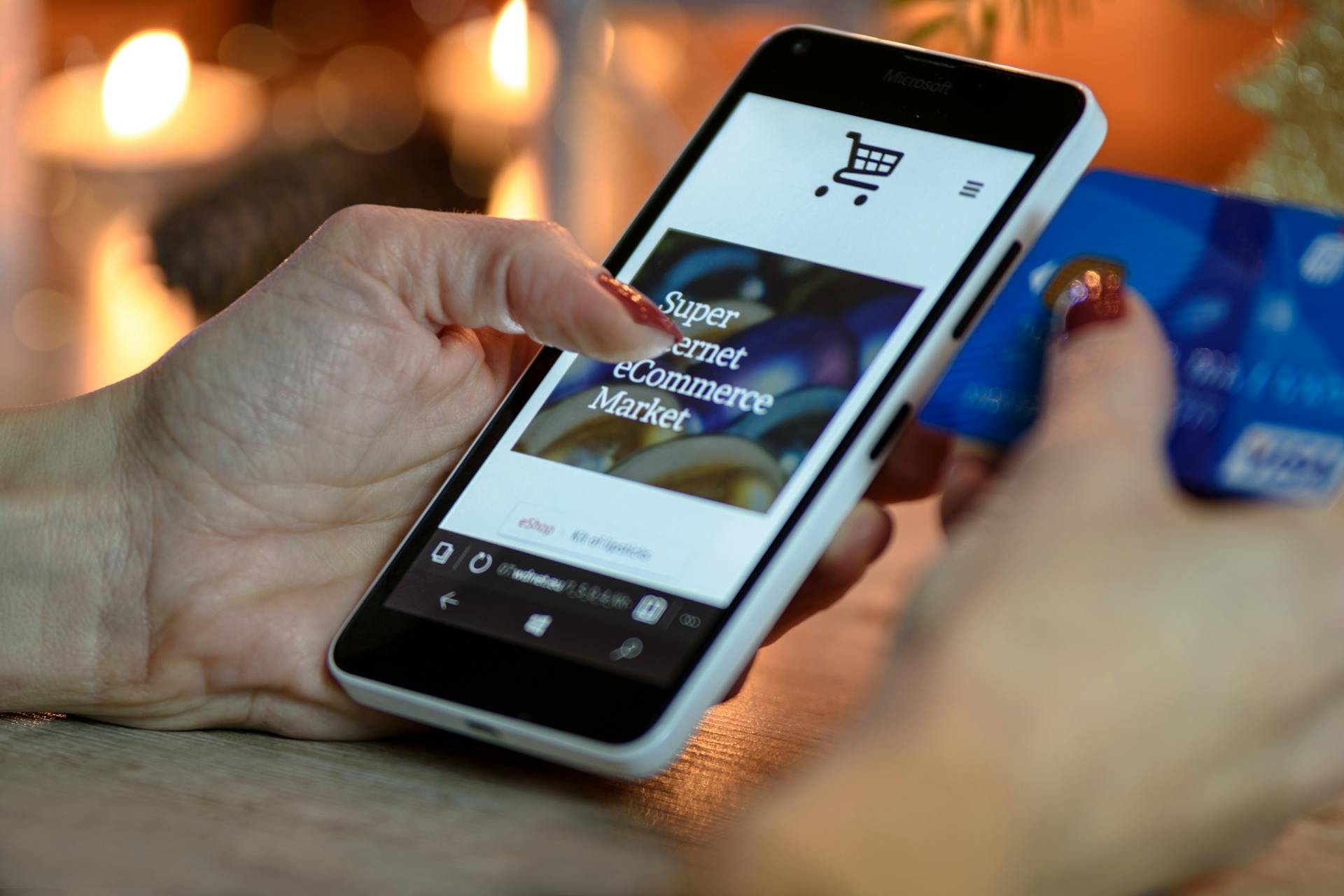
BNPL providers such as Klarna, Afterpay and PayPal allow shoppers to take ownership of items immediately, paying a quarter of the cost upfront and the rest over the next six weeks. The model appeals to consumers who dislike traditional credit cards: there is no interest if payments are on time, and many providers do not run a hard credit inquiry. Research by Morningstar finds that half of BNPL users admit they buy items they would have otherwise saved for, and 38 percent spend more overall. Retailers love BNPL because it boosts average order values and reduces abandoned carts.
Benefits and evolving credit reporting
Until recently, BNPL payments often went unreported to credit bureaus, meaning consumers could accumulate “phantom debt.” That is changing. In the fall of 2025, FICO announced new credit scoring models (Score 10 BNPL and Score 10 T BNPL) that incorporate BNPL repayment data. Bank of Hawaii points out that on‑time BNPL payments could improve a borrower’s credit score, while missed instalments may lower it. BNPL adoption is highest among low‑ and middle‑income households, women, Hispanic and Black communities, and younger consumers. For those who manage payments carefully, BNPL can be a useful tool to smooth cash flow or build credit history.
Risks: debt accumulation and consumer protection gaps
Despite the marketing, BNPL is still a form of credit. The Consumer Financial Protection Bureau (CFPB) warns that BNPL encourages impulse buying and reduces price sensitivity; people can end up with multiple overlapping loans that strain their budgets. Late fees can be hefty—Morningstar notes they range from zero to nearly 29.7 percent, rivaling credit‑card penalty rates. Most providers do not yet offer the same protections as credit cards: until 2024, consumers had limited ability to dispute charges or request refunds. The CFPB’s 2024 rule classifies BNPL lenders as credit‑card issuers, requiring them to investigate disputes and provide periodic billing statements.
Another concern is under‑reporting. Because many BNPL lenders still don’t furnish data to credit bureaus, borrowers can accumulate obligations that aren’t reflected in credit scores. The Federal Reserve warns that delinquencies appear low because debts are hidden. Consumers may prioritise BNPL payments over other bills, leading to missed mortgage or credit‑card payments. Behavioural biases such as hyperbolic discounting and optimism bias make BNPL loans feel “smaller” than they really are; that psychological effect fuels overspending.
Smart BNPL use
- Audit your BNPL activity. Keep a list of your open plans. Don’t exceed what you can repay in a month.
- Set up autopay. Automatic payments prevent missed instalments and late fees.
- Limit simultaneous loans. Bank of Hawaii suggests limiting BNPL plans to one or two at a time to avoid overextension.
- Use BNPL for essentials or planned purchases only. Avoid using BNPL to finance groceries or impulse items.
- Monitor your credit report. As more providers report data, check that your BNPL payments are recorded accurately.
- Know your rights. Thanks to the CFPB, you now have protections similar to credit‑card users when disputing defective goods or fraudulent charges.
BNPL can be a helpful budgeting tool when used deliberately and sparingly. However, it is not “free money.” Consumers should treat BNPL like any other loan: read the terms, calculate whether payments fit your budget and avoid stacking multiple plans. By understanding the benefits and the risks, you can decide whether buy now, pay later is right for you.
Big Decisions Need Unique Solutions
That’s why we have options for how you can move forward with us.